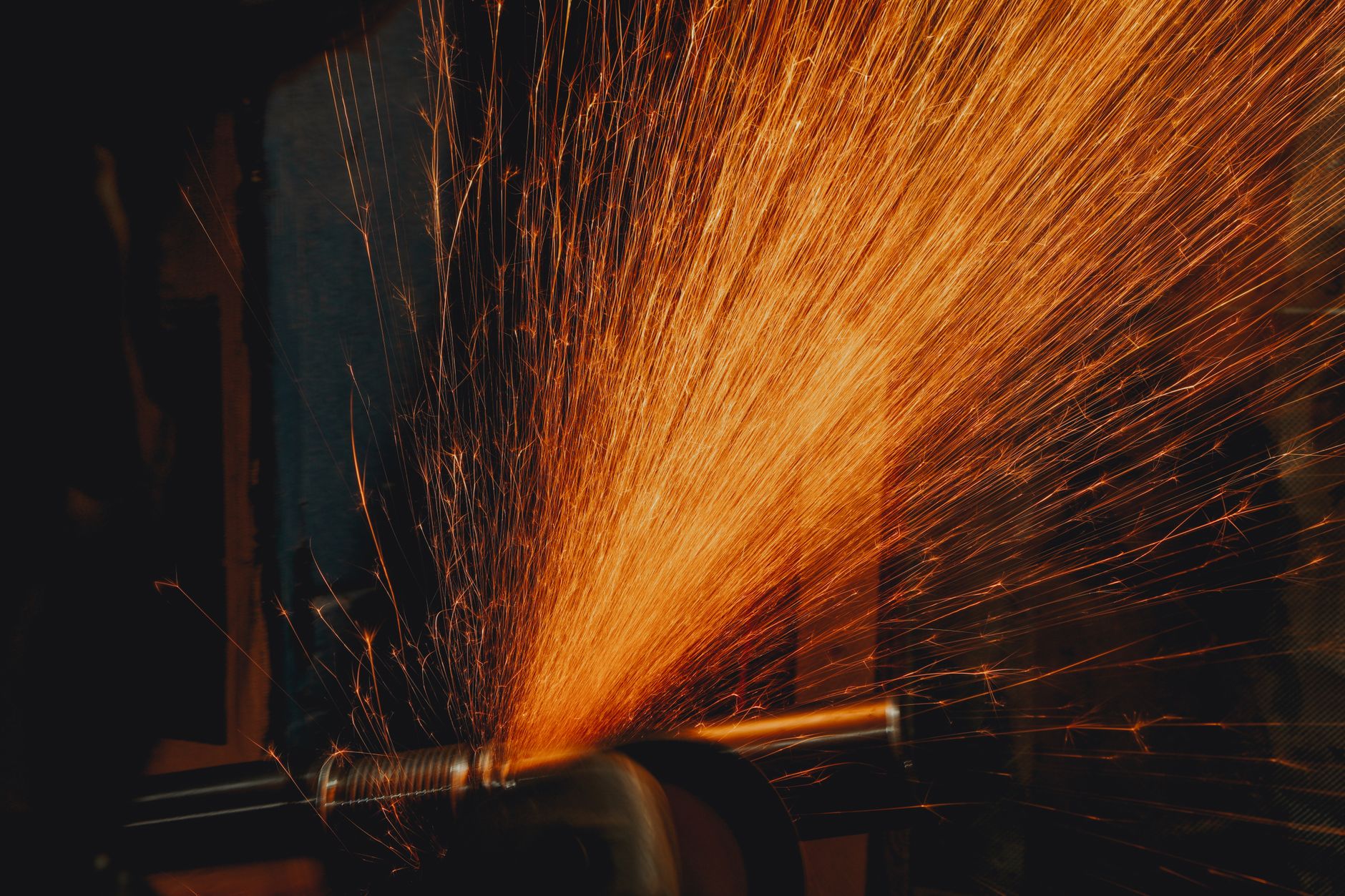
Overhead welding is arguably one of the most challenging positions in manual arc welding. It demands precision, control, and a deep understanding of arc characteristics. But in workshops across India, from Kota's fabrication units to infrastructure projects, it's a skill you must master. Defying gravity to lay down a sound weld requires more than just technique; it requires the right approach and reliable electrodes.
Preparation is Key: Safety and Setup
Before striking an arc overhead, ensure your setup is perfect. Safety is non-negotiable. Wear a full complement of Personal Protective Equipment (PPE) – flame-retardant clothing, a good welding helmet, gloves, and safety shoes. Position yourself comfortably, allowing for steady movement without strain. A stable posture is crucial to maintain consistent arc length and travel speed, directly impacting puddle control. Ensure your work area is clear of obstructions and well-ventilated.
Choosing the Right Electrode and Settings
Electrode selection is paramount for overhead welding. For manual metal arc welding (SMAW), certain electrodes are designed to handle the challenges of overhead positions. For general structural work in India, electrodes conforming to IS 814:2004 are widely used.
- Electrode Type: Generally, cellulosic electrodes (like E6010/E6011) or rutile-based electrodes (like E6013, E7014) are preferred for their fast-freezing slag and good puddle control in overhead. Our SUNLIGHT-13 (E6013 type) or BPL (E7014 type) electrodes are excellent choices for overhead applications due to their ease of use and stable arc.
- Diameter: Smaller diameter electrodes (2.5mm or 3.15mm) are easier to control overhead, reducing the amount of molten metal you're fighting against gravity with.
- Polarity: DC Reverse Polarity (DCEP/DC+) is commonly used as it provides a stable arc and good penetration.
- Amperage: Start with slightly lower amperage than what you'd use for flat or horizontal positions. This reduces the molten puddle's fluidity, making it easier to manage. Test on scrap to fine-tune.
Mastering Puddle Control Techniques
The core of overhead welding lies in controlling the molten puddle against gravity. Your technique must be precise and consistent.
- Short Arc Length: Maintain the shortest possible arc length without stubbing out. This concentrates the heat, stabilizes the arc, and helps keep the puddle tight.
- Travel Speed: Use a relatively fast travel speed to prevent the puddle from sagging. You want to deposit just enough metal for proper fusion before it can drop.
- Weave Patterns: A slight weave can help control the puddle. A small crescent or 'J' weave, focusing on the edges, helps prevent undercut and ensures proper tie-in. Avoid excessive weaving, which can lead to a large, unmanageable puddle.
- Angle: Keep the electrode angled slightly in the direction of travel, typically between 5 to 15 degrees. This pushes the molten metal back into the joint.
“Overhead welding isn't about fighting gravity, it's about outsmarting it with a short arc and a quick hand.”
Common Issues and How to Tackle Them
Even with the right technique, overhead welding can present challenges. Slag inclusions, undercut, and poor penetration are common. Slag inclusions usually occur due to insufficient cleaning between passes or a too-slow travel speed, allowing slag to get trapped. Undercut can happen if your arc is too long or amperage too high, melting the base metal without filling it. Poor penetration indicates a lack of heat or too fast a travel speed. Always clean your weld beads thoroughly after each pass. Practice on scrap until these issues are minimized.
Mastering overhead welding demands practice, patience, and reliance on quality consumables. By focusing on proper preparation, precise electrode selection, and disciplined puddle control, you can consistently achieve strong, clean welds. For reliable performance in all positions, including overhead, trust brands like WELDARC and SUNLIGHT-13 from Prakash Electrodes – built for the demanding conditions of Indian workshops.