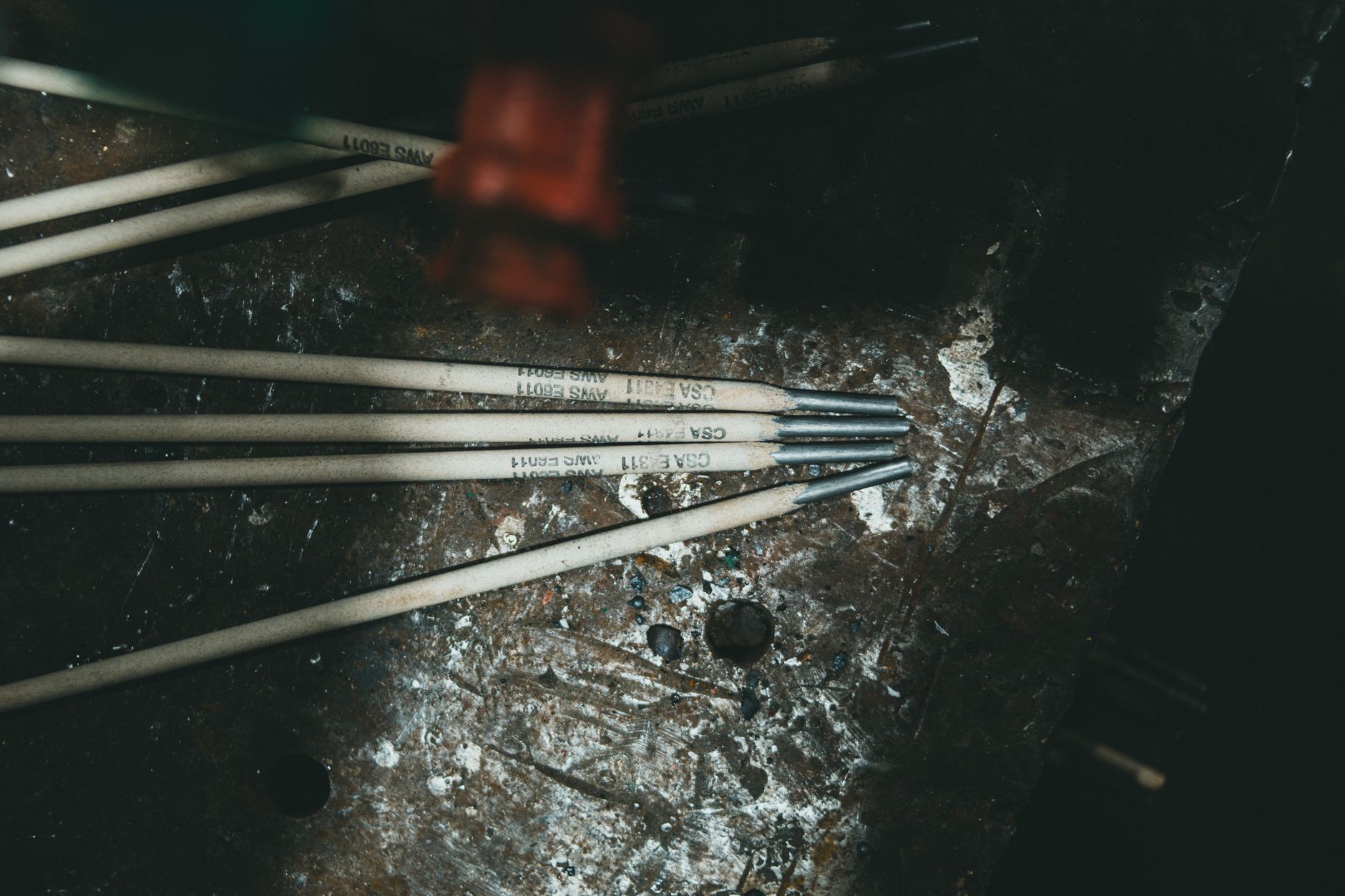
Cast iron components are prevalent in Indian industries – from engine blocks and machinery bases to agricultural equipment and pipelines. Repairing cracked or broken cast iron parts is often more economical and faster than replacement. However, cast iron is notoriously challenging to weld due to its high carbon content and inherent brittleness. This guide provides practical steps for successful cast iron repair.
Understanding Cast Iron: The Core Challenge
Cast iron's high carbon content (2-4%) makes it prone to hardening and cracking during the rapid heating and cooling cycle of welding. Grey cast iron, with its flaky graphite structure, is particularly brittle. Ductile or nodular cast iron is tougher but still requires careful handling. Without proper technique, residual stresses build up, leading to immediate or delayed cracking in the weld or heat-affected zone.
Preparation: The Foundation of a Strong Repair
A successful cast iron repair starts well before striking the arc.
- Clean the component thoroughly: Remove all grease, oil, paint, rust, and dirt. Grinding or machining the repair area until bright metal is exposed is crucial.
- Chamfer the crack: Grind a V-groove or U-groove along the crack line, ensuring full penetration. The groove angle should be wide enough for proper electrode manipulation, typically 60-70 degrees.
- Pre-heating: This is non-negotiable for most cast iron repairs. Heat the entire component, or at least the weld area, evenly to a temperature range of 200-400°C (400-750°F). Use temperature crayons or an infrared thermometer. Pre-heating reduces the thermal shock and slows the cooling rate, minimizing stresses.
Selecting the Right Electrode for the Job
Choosing the correct electrode is critical for cast iron repair. Prakash Electrodes offers a range designed for reliable performance in tough conditions.
- Nickel-based Electrodes (WELDARC NICKEL-98): Primarily pure nickel. Excellent for repairing thin sections, intricate castings, or when machinability of the weld deposit is essential. Provides good color match and is highly ductile.
- Nickel-Iron Electrodes (WELDARC NICKEL-55): An alloy of nickel and iron. Stronger and more economical than pure nickel. Ideal for heavy-duty cast iron sections, joining cast iron to steel, and applications requiring higher tensile strength and resistance to hot cracking.
- Steel Electrodes (e.g., low hydrogen electrodes): Can be used for specific applications, especially on ductile iron or for temporary repairs, but generally less recommended for grey cast iron due to dissimilar metal issues and high stress. Always proceed with extreme caution and proper pre/post heat.
Welding Technique: Short Beads and Peening
Once prepared and pre-heated, maintain the pre-heat temperature throughout the welding process. Use short, intermittent beads (1-2 inches) to minimize heat input.
- Weld in stringer beads: Avoid weaving.
- Peen each pass: Immediately after depositing a short bead, lightly peen the hot weld metal with a ball-peen hammer. This helps relieve residual stresses and reduces distortion.
- Interpass Temperature: Allow the weld area to cool slightly between passes, but keep it within the pre-heat range. Do not let it cool completely.
The Crucial Cool-Down Strategy
The post-weld cool-down is as important as pre-heating. Rapid cooling will undo all your careful work by causing fresh cracks.
- Slow Cooling: After welding, ensure the component cools down as slowly and evenly as possible.
- Insulation: Cover the part with insulating blankets, dry sand, or even bury it in vermiculite or lime.
- Post-heating (Stress Relief): For critical components or complex repairs, post-heating the entire part to 500-600°C (930-1110°F) and holding it for several hours, followed by very slow furnace cooling, is highly recommended for stress relief. This step drastically reduces the chance of delayed cracking.
“For cast iron, patience in cooling is as vital as skill in welding. Rush it, and you'll regret it.”
Successful cast iron repair demands discipline and adherence to proven techniques. By understanding the material, preparing correctly, selecting the right Prakash Electrodes like WELDARC NICKEL-98 or WELDARC NICKEL-55, and controlling thermal cycles, you can achieve durable, crack-free repairs. Trust Prakash Electrodes, a name synonymous with quality and reliability from Kota, Rajasthan, for all your MRO welding needs.