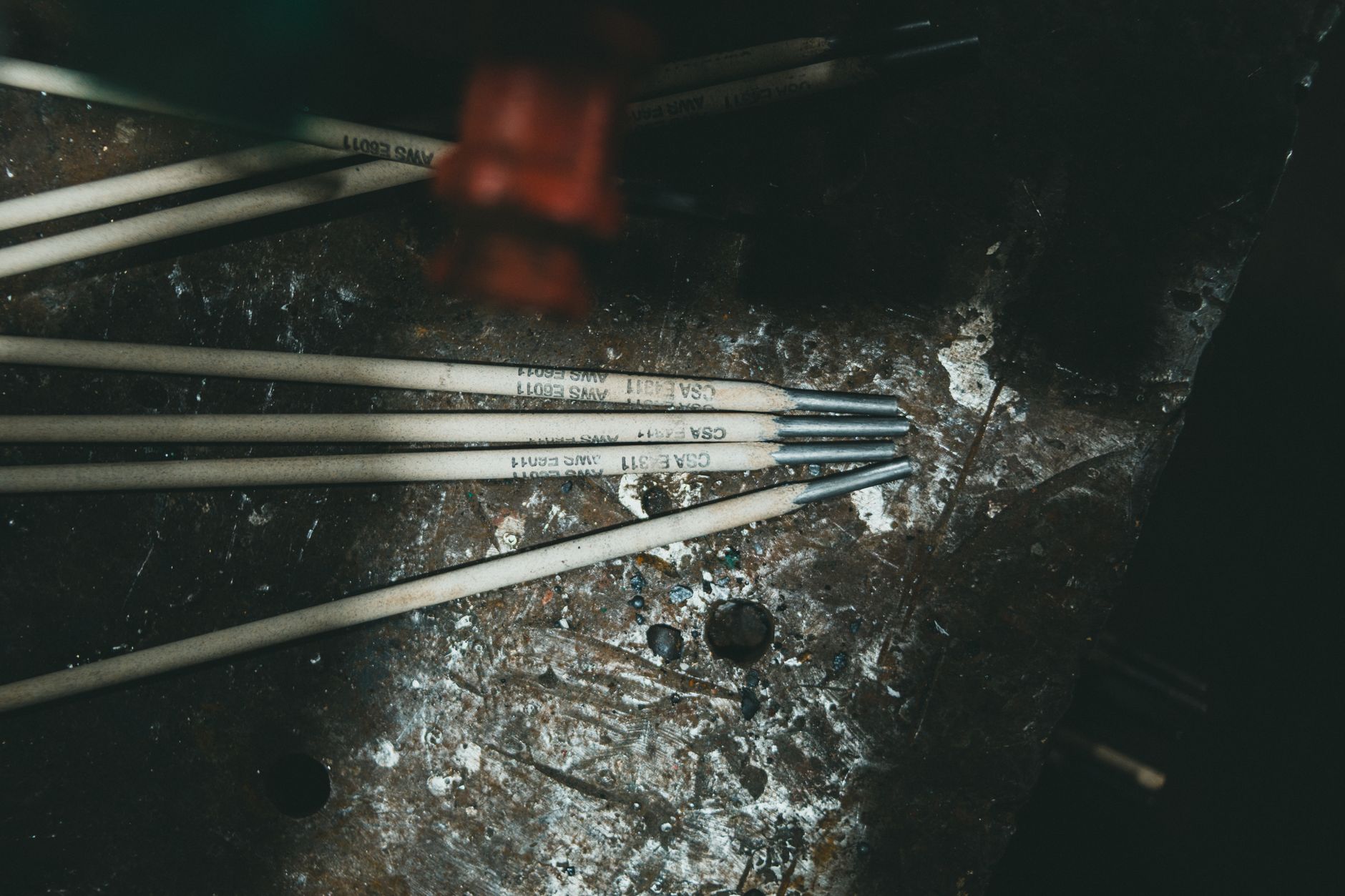
Every welder, from a new apprentice to a veteran fabricator in Kota, knows that welding is both an art and a science. Even with the best preparation and skill, defects can appear. The key isn't just knowing they exist, but understanding their causes and, critically, how to correct them on the spot. Timely defect correction saves material, time, and ensures the structural integrity of your project, meeting standards like IS 814:2004 for manual metal arc welding.
Porosity: The Bubble Trouble
Porosity manifests as small, gas-filled pockets or holes in the weld metal. These can be scattered or form clusters, weakening the weld. Common causes include moisture in the electrode coating or base metal, insufficient shielding gas, contaminated base metal, or excessive arc length.
On-the-spot fix: First, clean the base metal thoroughly to remove rust, paint, oil, or grease. Ensure your electrodes, like our SUNLIGHT-13, are stored correctly in dry conditions or re-baked if necessary. Check shielding gas flow and make sure there are no drafts. Reduce arc length and adjust travel speed to allow gases to escape before solidification. If the issue persists, consider preheating the base material, especially in damp conditions.
Undercut & Lack of Fusion: Weakening the Joint
Undercut is a groove melted into the base metal adjacent to the weld toe, left unfilled by weld metal. It reduces the base metal's thickness and creates a stress concentration point. Causes include excessively high current, too long an arc, rapid travel speed, or an incorrect electrode angle.
To fix undercut immediately: Reduce welding current. Shorten the arc length. Decrease your travel speed to allow the molten metal to fill the groove. Adjust the electrode angle to direct more heat towards the weld pool rather than the parent metal edge. For significant undercuts, grind out the affected area and re-weld.
Lack of Fusion (LOF) or Lack of Penetration (LOP) occurs when the weld metal fails to fuse completely with the base metal or with previous weld passes. This creates unfused areas or cold laps, severely compromising strength. Causes often include low welding current, fast travel speed, incorrect electrode angle, or improper joint preparation with tight fit-ups.
To correct LOF/LOP: Increase welding current or voltage. Slow down your travel speed to allow adequate heat input and penetration. Ensure proper joint preparation (beveling, root gap) and maintain the correct electrode angle to direct the arc accurately into the joint. Grind out any unfused areas and re-weld with corrected parameters.
Slag Inclusions: Trapped Impurities
Slag inclusions are non-metallic solids trapped within the weld metal or between weld passes. These impurities act as stress risers, reducing the weld's strength and ductility. Common causes include insufficient cleaning between weld passes, improper electrode manipulation, or too low a welding current which doesn't allow slag to float out.
On-the-spot fix: Always chip and wire brush thoroughly between passes, especially in multi-pass welds. Ensure you're using the correct electrode angle and maintaining an adequate arc length to allow slag to float to the surface. Increase welding current slightly if the slag is consistently trapping due to poor fluidity. For existing inclusions, grind out the affected area completely before re-welding.
General Prevention Tips for Weld Quality
- Always clean your base metal thoroughly before welding.
- Ensure electrodes like WELDARC or BPL are dry and stored per manufacturer guidelines.
- Set correct welding parameters (current, voltage, travel speed) for the material and joint.
- Maintain proper arc length and electrode angle.
- Perform thorough interpass cleaning on multi-pass welds.
- Use appropriate shielding gas and check for leaks or drafts.
“A good weld isn't just strong; it's free of defects. Fix it right, the first time.”
Mastering these immediate corrective actions is vital for any welder. By understanding the causes and applying the right fix on your shop floor or project site, you minimize costly rework and ensure every weld stands up to scrutiny. Trust Prakash Electrodes brands like WELDARC and HITKARI GOLD to provide you with the consistent quality electrodes you need for defect-free welding in all your fabrication and MRO projects.