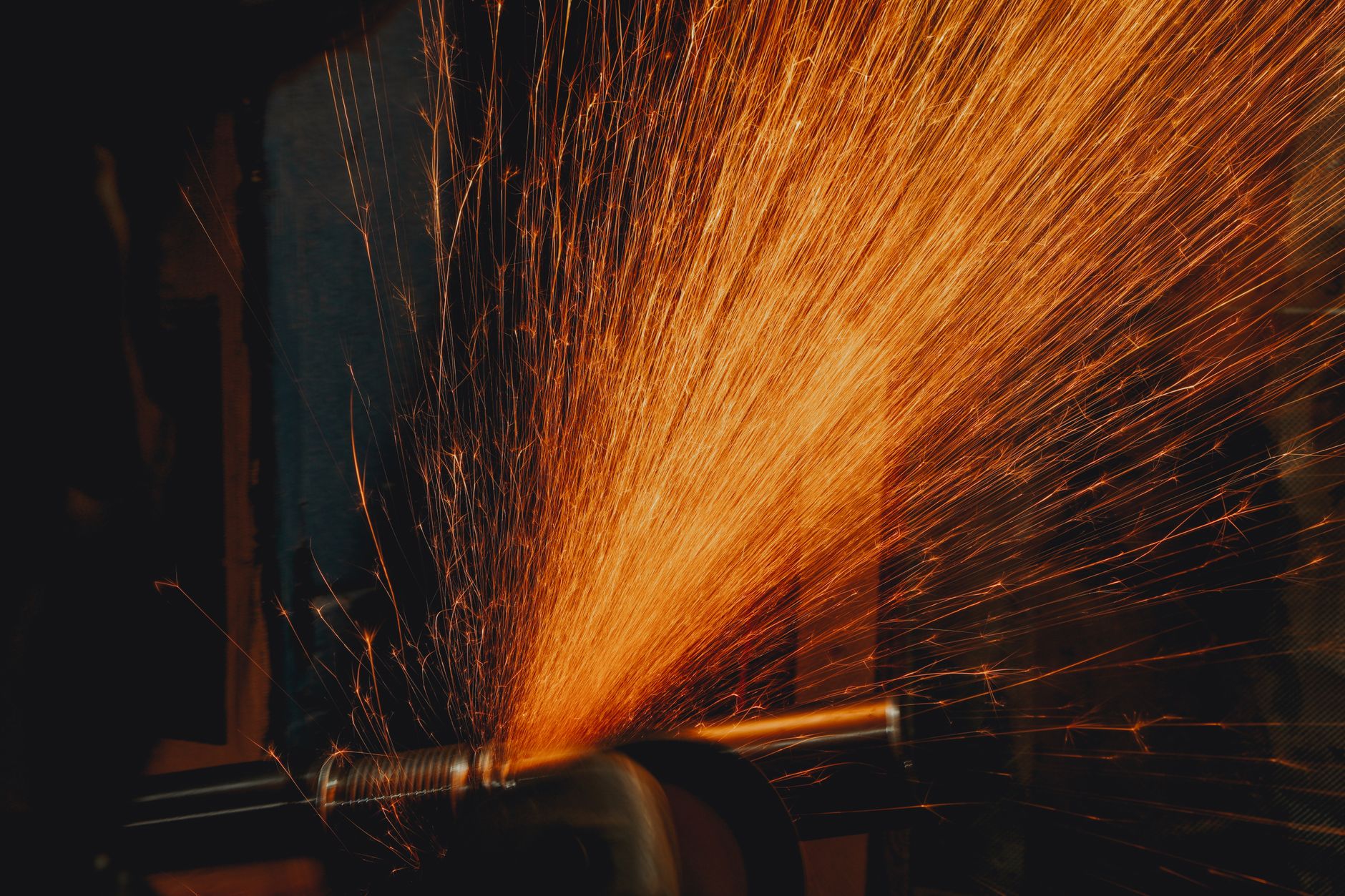
India's rapid development hinges on robust infrastructure and an efficient railway network. At the core of constructing bridges, metro lines, high-speed rail corridors, and power plants is welding – a process that demands precision, reliability, and strict adherence to established standards. Ignoring these standards isn't just poor practice; it's a direct threat to safety, project timelines, and national progress. For every welder, fabricator, and engineer involved, understanding and implementing Indian welding standards is non-negotiable.
Why Welding Standards Are Non-Negotiable for Indian Projects
In critical sectors like infrastructure and railways, a weld failure can have catastrophic consequences, from structural collapse to significant delays and economic losses. Standards provide a uniform framework, ensuring that all welded joints meet specific criteria for strength, ductility, and fatigue resistance. They define material specifications, welding procedures, welder qualifications, and inspection protocols, minimizing risks and guaranteeing structural integrity over decades of service. Compliance isn't a suggestion; it's a legal and ethical requirement, mandated by authorities like the Indian Railways (RDSO) and various government infrastructure bodies.
Key Indian Welding Standards You Must Know
While international codes like AWS or ASME are referenced globally, Indian projects primarily rely on standards set by the Bureau of Indian Standards (BIS) and specific project-governing bodies. The most fundamental for manual metal arc welding (MMAW) electrodes is IS 814:2004. However, for large-scale infrastructure and railway works, you'll encounter a broader set of requirements. Project specifications often combine IS codes with additional clauses from bodies like RDSO (Research Designs & Standards Organisation) for railway applications, or client-specific standards for metro and highway projects.
- IS 814:2004: Specification for covered electrodes for manual metal arc welding of carbon and carbon manganese steel. This is your baseline for electrode quality.
- RDSO Standards: For Indian Railways, specific technical standards (e.g., for bogies, bridges, tracks) dictate material, welding process, welder qualification, and NDT requirements.
- IS 800:2007: General construction in steel – Code of practice. Often referenced for structural steel fabrication and erection, dictating design and fabrication principles.
- IS 2062: Steel for general structural purposes. Ensures the base materials meet the required mechanical properties.
- Project-Specific Codes: Major projects (e.g., Delhi Metro, National Highways Authority of India) often issue their own welding procedure specifications (WPS) and welder qualification requirements based on or augmenting BIS/RDSO standards.
Achieving Compliance: Practical Steps for Welders & Fabricators
Compliance starts at the ground level. Ensure your welders are qualified to the relevant standards (e.g., IS 7310 for welder qualification, often supplemented by project-specific tests). Develop and qualify Welding Procedure Specifications (WPS) and Procedure Qualification Records (PQR) for every welding process and joint configuration. Material traceability is crucial; always verify that the base metal and welding consumables (electrodes, wires, gases) conform to project specifications and relevant IS codes.
Quality control must be continuous, from pre-weld inspection (joint fit-up, cleanliness) to in-process checks (interpass temperature, bead profile) and post-weld examination. Non-destructive testing (NDT) methods like Visual Inspection (VT), Radiographic Testing (RT), Ultrasonic Testing (UT), Magnetic Particle Testing (MPT), and Dye Penetrant Testing (DPT) are essential to confirm the integrity of completed welds. Proper documentation of all these steps is vital for audit and project handover.
“Good welding isn't just about a strong bead; it's about making sure it stays strong for decades, especially on our nation's lifeline projects.”
The Role of Quality Electrodes in Meeting Standards
Even with perfect procedures and skilled welders, substandard electrodes will compromise your work. For high-stakes infrastructure and railway projects, using electrodes that consistently meet or exceed IS 814:2004 requirements is paramount. Brands like WELDARC and HITKARI GOLD from Prakash Electrodes Private Limited are engineered for consistent performance, superior mechanical properties, and excellent weldability across various applications. Manufactured in Kota, Rajasthan, our electrodes are rigorously tested to ensure they stand up to the toughest Indian project demands.
Choosing a reputable electrode manufacturer that understands the nuances of Indian standards ensures that your consumables are a solution, not a problem. Invest in quality, understand the standards, and contribute to building a stronger, safer India.