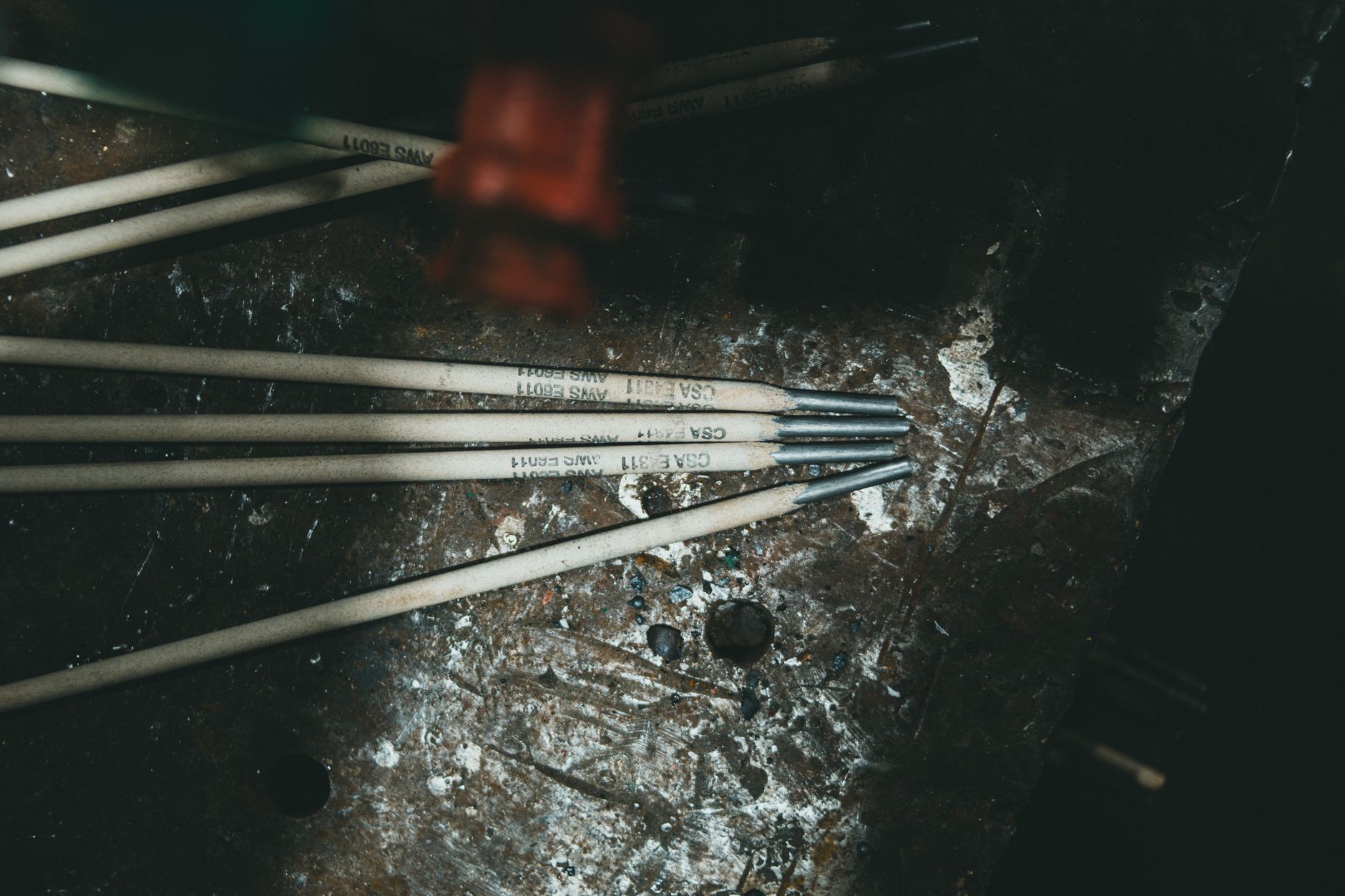
In a country like India, with its diverse and often humid climate zones, proper storage of welding electrodes is not just a recommendation—it’s a critical necessity. Moisture is the arch-enemy of electrode coatings, and failing to protect your electrodes from it can lead to a host of welding defects, rework, and increased costs. For welders, fabricators, contractors, and factory engineers, understanding and implementing robust storage practices is key to consistent weld quality and operational efficiency.
Why Proper Electrode Storage Matters: The Moisture Menace
Welding electrodes, especially low-hydrogen types, are designed with specific flux coatings that contain compounds crucial for arc stability, slag formation, and shielding gas production. When these coatings absorb moisture from the air, their chemical composition changes. This absorbed moisture turns into hydrogen during the welding process, leading to serious issues such as porosity, undercutting, increased spatter, and, most critically, hydrogen-induced cracking (HIC) in the weld metal. This significantly compromises the mechanical properties and integrity of the joint, failing to meet standards like IS 814:2004.
For critical applications, particularly with structural steel or pressure vessels, such defects are unacceptable and can lead to catastrophic failures. Even for general fabrication, poor weld quality translates to wasted material, time, and reputation. Preventing moisture absorption is the first line of defence against these problems.
Practical Strategies for Dry Storage in Indian Workshops
Implementing a few simple, yet effective, strategies can make a big difference in maintaining electrode quality, especially in coastal or monsoon-prone regions of India.
- Keep electrodes in original, sealed packaging: Do not open electrode packets until immediately before use. The hermetically sealed packaging is your primary barrier against humidity.
- Use heated storage cabinets (rod ovens): For low-hydrogen electrodes (e.g., E7018), a heated cabinet maintained at 100-150°C (212-300°F) is essential after opening the packet. This keeps them dry and ready for use.
- Store off the floor: Always store electrode boxes on shelves or pallets, away from damp floors, especially concrete, which can transmit moisture.
- Control ambient humidity: In areas with high ambient humidity, consider using dehumidifiers in your storage areas. Even a fan can help circulate air and reduce stagnant, moist pockets.
- Limit exposure time: Take out only the quantity of electrodes needed for immediate use (typically 2-4 hours’ worth) from the heated cabinet. Return unused electrodes to the cabinet or re-bake them if left out too long.
- Inspect packaging: Before use, always check for damaged or torn packaging. If the seal is broken, assume the electrodes have absorbed moisture.
Re-Baking: Your Last Resort Against Moisture Damage
When electrodes have been exposed to atmospheric moisture for too long, or if there's any doubt about their condition, re-baking becomes necessary. This process involves heating the electrodes in a controlled oven to drive out absorbed moisture. The specific temperature and time depend on the electrode type, but general guidelines are often provided by manufacturers and align with IS 814:2004 standards.
For most low-hydrogen electrodes, typical re-baking temperatures range from 300-400°C (572-752°F) for 1-2 hours. Always follow the manufacturer's recommendations precisely, as improper re-baking can damage the flux coating. Never re-bake electrodes more than once or twice, as repeated high heat can degrade the flux composition. After re-baking, transfer them immediately to a holding oven at 100-150°C until use.
“A dry electrode is a happy electrode, and a happy electrode makes a strong weld.”
Proactive electrode management is not just good practice; it's a fundamental part of quality control in welding, especially in the demanding Indian environment. By diligently following these storage and re-baking guidelines, you ensure that every WELDARC, CUTWELD, or SUNLIGHT-13 electrode from Prakash Electrodes performs exactly as designed, delivering strong, defect-free welds every time. Invest in proper storage—it pays dividends in quality and cost savings.