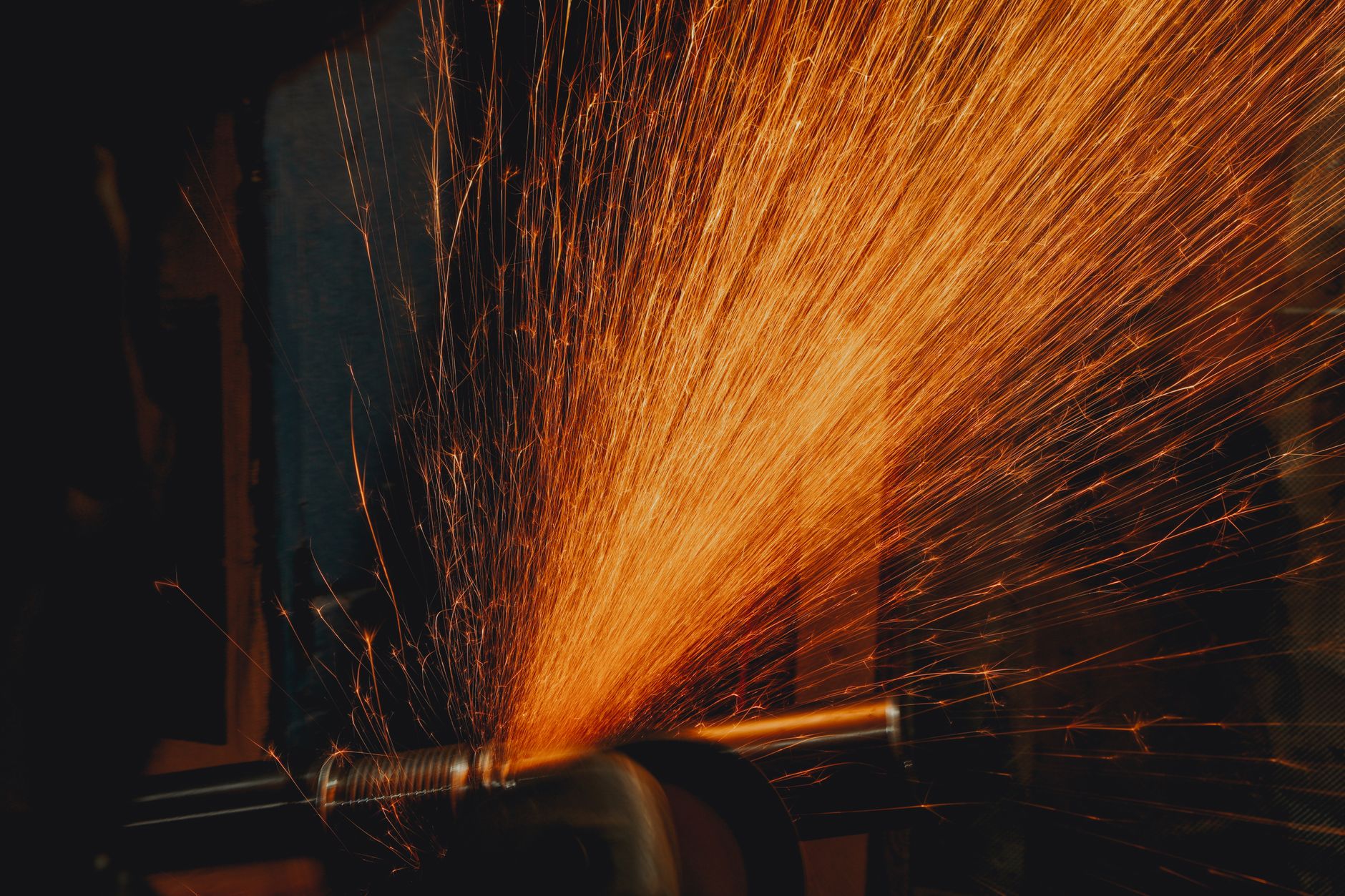
Every welder knows a good bead when they see one. But do you truly understand what your weld bead is telling you? Beyond aesthetics, the appearance of your weld bead is a critical diagnostic tool. It offers immediate feedback on your arc length, travel speed, current settings, and electrode angle. Mastering this visual inspection is crucial for welders, fabricators, and engineers across India, ensuring quality work that meets stringent project demands.
The Anatomy of a Perfect Weld Bead
An ideal weld bead is a signature of precision. It’s uniform in width and height, with consistent, finely-spaced ripples that indicate a steady hand and controlled molten puddle. Good fusion with the base metal is evident, showing no signs of undercut or overlap. The bead should transition smoothly into the base material, signifying proper penetration without excessive reinforcement. Such a bead ensures maximum strength and integrity, critical for structural applications from Kota to Chennai.
Common Weld Bead Flaws and Their Causes
When your bead doesn't look right, don't just grind it away. Diagnose it. Each flaw points to a specific issue with your technique or setup:
- Porosity: Small holes or bubbles in the weld. Often caused by trapped gas from damp electrodes, insufficient shielding gas, dirty base metal, or excessive arc length. In our Indian climate, proper electrode storage is paramount to avoid moisture absorption.
- Undercut: A groove melted into the base metal alongside the weld bead. This weakens the joint and is typically a result of excessive current, too long an arc, or an incorrect electrode angle that concentrates heat too much on the base metal.
- Overlap: The weld metal rolls over onto the base metal without fusing. This happens when current is too low, travel speed is too slow, or the electrode angle pushes the puddle ahead without proper penetration. It creates a stress riser and a structurally weak point.
- Excessive Spatter: Molten metal droplets scattered around the weld. High current, an overly long arc, damp electrodes, or improper polarity are common culprits. This means wasted material, more cleanup time, and potential rework.
- Inconsistent Bead Width/Ripple: A fluctuating bead profile indicates unsteady travel speed, inconsistent arc length, or an unsteady hand. It leads to uneven penetration and potential weak spots along the joint.
- Lack of Fusion or Penetration: The weld metal doesn't properly melt into the base metal or doesn't penetrate deep enough. This is a severe defect, often caused by too low current, too fast travel speed, or an incorrect electrode angle that prevents the arc from adequately melting the joint roots. This compromises the entire structural integrity.
Improving Your Welding Technique
Recognizing flaws is the first step; correcting them is the art. Start by ensuring your base metal is clean and properly prepared. Adjust your current settings according to the electrode diameter and material thickness—refer to the manufacturer's recommendations or IS 814:2004 for electrode standards. Practice maintaining a consistent arc length, travel speed, and electrode angle. Listen to the arc; a steady, crisp crackle often indicates a good, stable arc. Small adjustments in your hand movement can significantly impact the bead. Focus on smooth, controlled motions, allowing the puddle to form and fuse properly.
“The weld bead doesn't lie; it tells you exactly what you did wrong and how to make it right next time.”
By diligently analyzing your weld beads, you're not just correcting mistakes; you're actively refining your skill and understanding of the welding process. This visual feedback loop is invaluable for every welder aiming for perfection. For consistent quality and reliable performance that helps you produce perfect beads, trust Prakash Electrodes. Our WELDARC series, manufactured right here in Kota, provides the stability and arc characteristics needed to achieve superior weld aesthetics and structural integrity, every time.